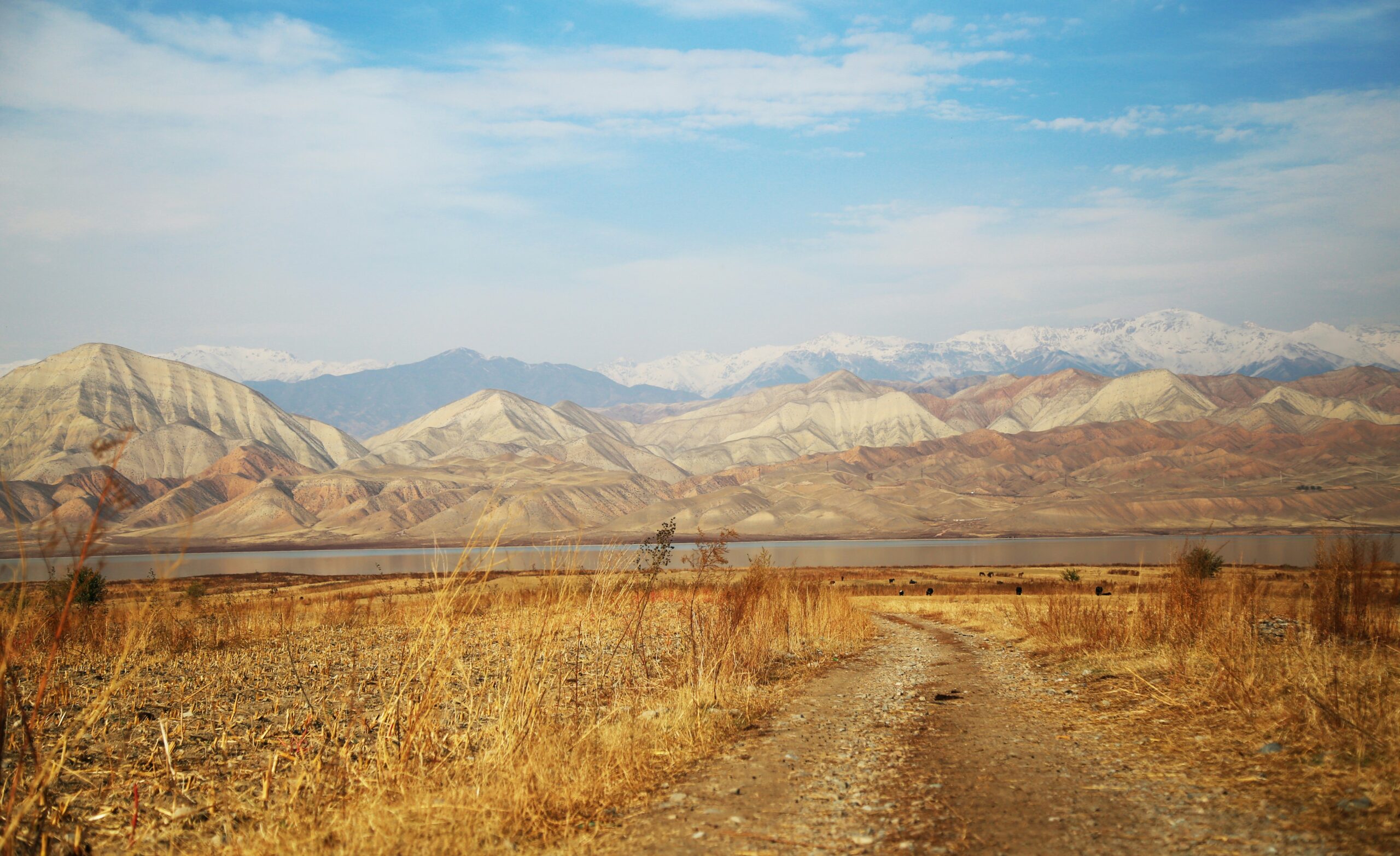
Kyrgyzstan leads talks on mountain preservation in Astana
Kyrgyz President Sadyr Japarov has used a landmark regional summit in Kazakhstan’s capital to call for urgent international action on glacier loss and mountain ecosystem protection, warning that his country bears a disproportionate burden of the climate crisis.
Speaking at the Regional Ecological Summit (RES 2026), held in Astana from 22 to 24 April, Mr Japarov addressed an assembly of heads of state and senior officials from across Central Asia and beyond. The three-day summit — the first of its kind at this scale — brought together approximately 1,500 participants from government bodies, international organisations, the United Nations, and civil society.
A Nation on the Front Line
Mr Japarov told delegates that Kyrgyzstan contributes just three hundredths of a percent of global greenhouse gas emissions, yet suffers consequences “disproportionately severe” compared to wealthier, higher-emitting nations. He pointed to the accelerating retreat of glaciers across the Tien Shan and Pamir mountain ranges as evidence of a deepening crisis that threatens water security across the entire region.
The Kyrgyz president also called for sweeping reform of the International Fund for Saving the Aral Sea (IFAS), urging member states to strengthen its mandate and make climate financing more accessible to vulnerable developing countries, particularly those with mountainous terrain.
Mountain Summit on the Horizon
Kyrgyzstan arrived in Astana with a bold regional agenda. In the weeks before the summit, the country’s Special Presidential Representative for the Mountain Agenda, Dinara Kemelova, had been building diplomatic support for a proposed Global Centre for the Sustainability of Mountain Regions — a scientific and policy hub aimed at tackling the intertwined threats facing high-altitude ecosystems.
Kyrgyzstan also used the platform to invite international partners to the Second Global Mountain Summit “Bishkek+25”, scheduled for October 2027 in Kyrgyzstan. That gathering, marking 25 years since the original Bishkek Mountain Platform, is expected to set new global benchmarks for mountain preservation.
Broader Regional Ambitions
The Astana summit concluded with the signing of a regional declaration on biodiversity conservation in Central Asia, alongside a joint initiative titled “Harmony with Nature for Regional Sustainability”. Participating nations also agreed to pursue a shared Red Book of Central Asia — a practical framework for protecting endangered species and fragile mountain ecosystems.
Kazakhstan’s President Kassym-Jomart Tokayev, who hosted the summit, urged regional unity in the face of environmental degradation, as leaders signed investment-related environmental agreements reportedly worth around two billion US dollars.
Mr Japarov closed his address with a call for ecological solidarity. “Only through joint efforts can we ensure a sustainable future,” he said, “and preserve our natural heritage for future generations”.