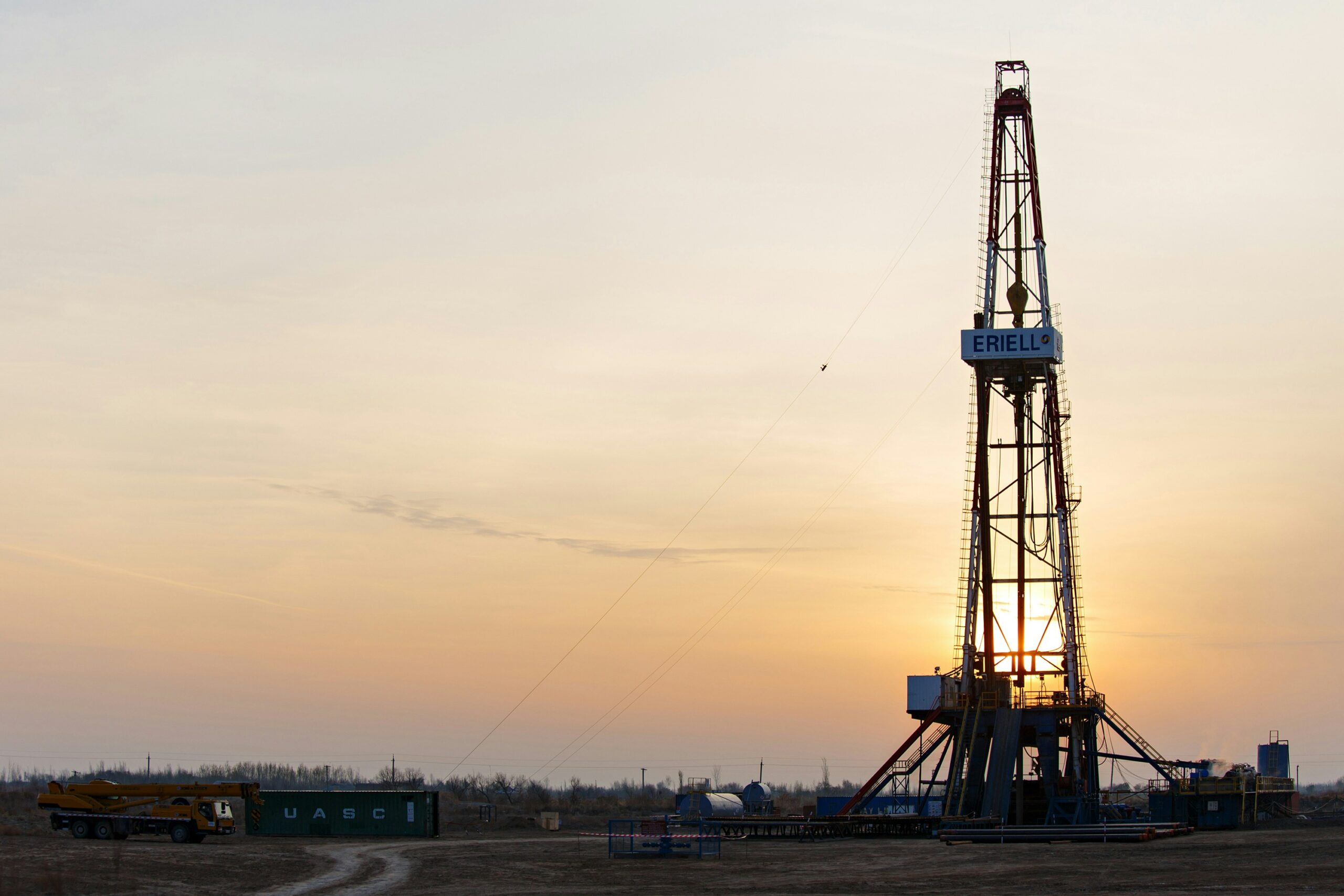
Uzbekistan taps Chinese tech for deep-well exploration
Uzbekistan is pressing ahead with an ambitious drive to unlock vast hydrocarbon reserves buried deep beneath its remote Ustyurt plateau, striking a major drilling deal with a leading Chinese energy firm as part of a broader push to modernise the country’s energy sector.
State-owned energy company Uzbekneftegaz has signed a contract with China’s CNPC XIBU Drilling Engineering Company Limited to drill 30 exploration and appraisal wells in the Ustyurt region between 2026 and 2028. The agreement, reached following a visit by Uzbekneftegaz Chairman Abdugani Sanginov to China in early March, marks the first phase of a longer-term framework expected to see up to 105 wells drilled across Uzbekistan through 2029.
Going Deeper Than Before
The scale of the project reflects just how much ambition lies behind it. Planned wells will reach depths of between 5,500 and 6,000 metres — far beyond the 2,500 to 3,000 metres that had historically defined Uzbek exploration efforts. These extreme depths bring significant technical challenges, as engineers must contend with formations characterised by abnormally high pressures and temperatures. CNPC XIBU will supply 10 specialist drilling rigs capable of operating under such demanding conditions.
A Strategic Alliance
The partnership sits squarely within President Shavkat Mirziyoyev’s national agenda to overhaul Uzbekistan’s energy infrastructure through international cooperation and advanced technology. Officials at Uzbekneftegaz have described the deal as opening “a new stage” in the country’s geological exploration efforts, with Chinese expertise expected to raise drilling safety standards and reduce operational risk in complex environments.
The Ustyurt region, a vast semi-arid plateau bordering Kazakhstan, has already begun to attract considerable international interest. Azerbaijan’s state energy company SOCAR is jointly developing a separate Ustyurt oil field alongside Uzbekneftegaz in a project with projected investment of around $2 billion. In September 2025, President Mirziyoyev announced that a test well drilled to 6,500 metres on the plateau had already revealed significant gas reserves — fuelling expectations that the region could fundamentally reshape Uzbekistan’s energy future.
Belt and Road Dimension
The CNPC XIBU deal also carries broader geopolitical significance. Analysts view it as a deepening of China–Uzbekistan cooperation under the Belt and Road Initiative, with Beijing keen to secure long-term access to Central Asian energy supplies while Tashkent benefits from world-class drilling technology. For a landlocked nation working to reduce energy import dependence, tapping the depths of Ustyurt — with Chinese help — may prove to be one of its most consequential bets yet.